


Artificial intelligence (AI) is rapidly transforming industries worldwide, and real estate is no exception. From streamlining property management to enhancing the rental experience, AI is reshaping how we buy, sell, and rent homes. The rise of AI has opened new possibilities for data-driven insights, predictive analytics, and smarter customer interactions—giving landlords and renters new tools and knowledge to leverage in their day-to-day life. However, AI has also introduced new threats and scams that challenge the rental industries.
At liv.rent, we’ve always taken a tech forward approach, so it is only natural AI would be adopted into our processes to improve efficiency, security, and bolster the user experience. We are also preparing for unseen consequences of AI adoption and continuing to combat traditional challenges of the rental experience with firsthand knowledge. So, let’s take a look at the fascinating topic of AI in real estate, uncover how landlords and renters can leverage AI, and discuss how to responsibility use this technology while avoiding its pitfalls.
Join Our Newsletter
For more info on rental laws and policies (e.g. eviction, lease agreements, repairs & maintenance), subscribe to get the latest news.
AI in the Rental Industry
AI brings multiple advantages to the rental industry, benefiting both tenants and property owners. It can save time by automating repetitive tasks like tenant screening, document verification, and rental pricing, and it can collect and measure data to create a holistic, bird’s eye view of the entire process. Tenants can enjoy more personalized search results, while landlords get data-driven insights to make better decisions.
However, AI can also complicate the process, and both renters and landlords need to be weary of rental scams, unrealistic AI rental listings, and AI-inspired price gouging. New technology can propel society forward, yet it also brings challenges and reshapes how we live and work. The rental industry is certain to be reshaped by AI, but by staying ahead of its development and proper preparation, renters and landlords can both be better off.
How AI Tools Are Used in Rental Listings
AI tools play a key role in transforming how rental listings are created and managed. They use machine learning algorithms to analyze large sets of property data, helping agents set rental prices and optimize listings for visibility. Chatbots powered by AI handle tenant inquiries 24/7, while image recognition tools can automatically tag and enhance property photos. Some platforms even use predictive analytics to forecast market demand, ensuring landlords can fill vacancies faster and more efficiently. These features can benefit the industry but also make it more competitive. It is crucial renters remain vigilant in their searches and landlords deploy AI in proper ways.
Snapshot of AI Capabilities in Real Estate
| AI Application | Purpose / Benefit |
| Pricing algorithms | Analyze market data to set accurate rental rates. |
| Listing optimization | Enhance property descriptions and visibility online. |
| AI-powered chatbots | Answer tenant inquiries 24/7, improving customer service. |
| Image recognition & enhancement | Automatically tag, improve, and optimize property photos. |
| Predictive analytics | Forecast market demand and help landlords fill vacancies faster. |
For landlords and property tech companies:
Automated listing creation:
AI helps landlords and property tech companies create listings quickly and accurately. By analyzing property details, images, and market data, AI can automatically generate engaging descriptions, suggest competitive pricing, and post listings across multiple platforms. This saves time and ensures each listing reaches the right audience, increasing visibility and occupancy rates.
Tenant Screening:
AI-driven tenant screening tools assess applicants using data such as credit scores, rental history, income verification, and behavioral patterns. This makes the selection process faster, fairer, and more reliable. Landlords can identify trustworthy tenants with lower risk of late payments or property damage, improving overall rental stability.
Fraud detection:
AI systems use pattern recognition and anomaly detection to identify suspicious activity, such as duplicate listings, fake identities, or manipulated documents. By flagging potential fraud targeting landlords in real time, these tools protect both landlords and tenants from scams, ensuring a more secure and trustworthy rental experience.
Paperwork is streamlined and automated:
AI can simplify and automate rental paperwork, including agreements, renewals, and transactions. Smart tools auto-fill forms, verify signatures, and securely store contracts. This reduces errors, saves time, and ensures legal compliance. For landlords and property tech companies, automated paperwork enables faster deal closures and a smoother tenant experience, eliminating the hassle of manual documentation.
For tenants:
Personalized recommendations:
AI-powered platforms analyze a tenant’s preferences, budget, and location needs to suggest the most suitable rental options. Instead of browsing endless listings, tenants receive tailored recommendations that match their lifestyle, saving time and improving the search experience.
Personalized recommendations:
AI-powered platforms analyze a tenant’s preferences, budget, and location needs to suggest the most suitable rental options. Instead of browsing endless listings, tenants receive tailored recommendations that match their lifestyle, saving time and improving the search experience.
Enhanced virtual tours:
With AI and 3D visualization, tenants can take immersive virtual tours of properties anytime, anywhere. These tours showcase layouts, lighting, and furnishings, helping renters make confident decisions without needing multiple in-person visits.
Automated applications:
AI streamlines the rental application process by auto-filling details, verifying documents, and tracking application status. Tenants can complete applications in minutes, reducing delays and improving communication with landlords.
Tenant Relationship:
AI chatbots and digital assistants help maintain ongoing tenant relationships by answering queries, managing maintenance requests, and sending payment reminders. This ensures smoother communication, faster issue resolution, and an overall better rental experience.
How Renters can Use AI in the Rental Industry
| AI Application | How It’s Used | Benefits for Renters | Key Risks / Considerations |
| Personalized Search & Recommendations | AI analyzes user preferences, budget, and lifestyle to suggest relevant listings | Saves time by surfacing best-fit properties | Verify that listings are real; avoid AI-generated fake or misleading ads |
| Virtual Tours & Visualization | 3D and AI-enhanced virtual tours allow remote exploration | Enables informed decisions without multiple in-person visits | Confirm when photos or videos are digitally staged or enhanced |
| Automated Applications | AI tools auto-fill forms, verify identity, and track application progress | Streamlines the application process and reduces paperwork | Ensure consent before sharing personal or financial data |
| Chatbots & Digital Assistants | AI responds to queries, handles maintenance requests, and sends payment reminders | 24/7 communication and faster issue resolution | Be cautious about sharing private info with bots or unverified systems |
| AI-Based Pricing Awareness | Platforms explain how AI algorithms determine rent | Helps renters understand and challenge unfair pricing | Ask for transparency on data used to set rents; watch for price gouging |
How Landlords and Agents Can Use AI in the Rental Industry
| AI Application | How It’s Used | Benefits for Landlords & Agents | Key Risks / Considerations |
| Automated Listing Creation | AI writes property descriptions, sets pricing, and posts listings across platforms | Saves time, improves listing quality, increases visibility | Disclose AI-generated or digitally staged content to tenants |
| Dynamic Pricing Tools | Algorithms analyze market trends and competitor data to set optimal rent | Maximizes rental income and minimizes vacancy periods | May lead to unfair or inflated pricing if unchecked |
| Tenant Screening Tools | AI evaluates credit, income, and rental history to identify reliable tenants | Reduces risk of late payments or damage | Must comply with privacy, human rights, and fair housing laws |
| Fraud Detection & Verification | AI flags duplicate or suspicious listings and fake identities | Prevents scams, protecting both landlords and tenants | Avoid false positives that could reject legitimate tenants |
| Document Automation | Auto-generates, signs, and stores digital leases and renewals | Reduces admin time and ensures accuracy | Maintain compliance with data protection and storage laws |
| Predictive Analytics | AI forecasts rental demand, turnover, and pricing trends | Improves long-term investment and marketing strategies | Validate models to ensure forecasts are realistic |
| Chatbots & Virtual Assistants | Handles tenant inquiries, maintenance scheduling, and FAQs | Improves communication efficiency and tenant satisfaction | Disclose AI use and ensure escalation to humans when needed |
| Compliance & Recordkeeping Tools | Tracks AI-assisted decisions and maintains documentation for licensing | Ensures transparency, accountability, and legal compliance | Keep detailed records of AI outputs and decision-making criteria |
What Renters, Landlords, and Agents should know
Renters: What to ask about listings: (staging, pricing tools)
Verify accuracy
Tenants should carefully check that listing details, including photos, virtual staging AI, and descriptions, match the actual property. AI can enhance images or exaggerate features, so visiting the property in person or requesting additional photos is important to avoid surprises. Always compare AI-generated content with verified facts to ensure transparency and make informed decisions.
How it works
AI tenant screening works by collecting data from a variety of sources, analyzing it using machine learning models, and generating a risk assessment or score for each applicant. This score helps landlords compare applicants fairly and efficiently, based on clear, data-driven criteria.
Be cautious with pricing tools
AI-powered pricing tools can influence rent amounts, sometimes pushing rates above fair market value. Renters should ask how rents are determined, whether algorithms consider comparable properties, and if dynamic pricing is applied. Understanding these tools helps tenants negotiate fairly and avoid unexpected cost increases.
Check licensing and professional obligations
When engaging with landlords or agents using AI, verify that they adhere to local licensing laws, regulations, and professional ethical standards. Compliance ensures that AI tools are applied responsibly, tenant rights are protected, and any automated processes like screening or pricing are legal and transparent.
Landlords: Legal obligations when using AI tools
Disclose virtual staging
Landlords must inform prospective tenants when images have been digitally enhanced or staged. Transparency prevents misunderstandings, builds trust, and reduces potential disputes or legal liability.
Privacy and Data Protection
Landlords are responsible for protecting tenant data used in AI systems. This includes securing personal information, complying with data protection laws, and limiting data use to legitimate rental purposes.
Agents: Disclosure requirements under licensing rules
Real estate agents must follow licensing regulations that require full disclosure when AI tools are used for listings, pricing, or tenant screening. Failure to disclose can violate professional standards and result in penalties.
Keep records
Maintain detailed records of AI-assisted decisions, including pricing algorithms, screening results, and communications. Proper documentation ensures accountability, supports compliance, and protects landlords and agents in case of disputes.
Legal and Ethical Concerns Emerging from AI Use
As AI becomes more common in rental listings, it introduces new legal and ethical challenges. While these tools improve efficiency and marketing, misuse can mislead renters or create unfair pricing. Landlords, agents, and property tech companies must apply AI responsibly to maintain trust and regulatory compliance.
Misuse of AI in Rental Listings
Lack of Disclosure in Virtual Staging
AI-generated staging can make spaces look furnished or renovated when they’re not. Failing to disclose these edits misleads renters and risks legal issues. Transparency about enhancements protects credibility and tenant trust.
Manipulation of Images and Features
AI tools can alter lighting, size, or layout, creating unrealistic visuals. While eye-catching, these edits can misrepresent the property. Ethical marketing requires accuracy and honesty in all AI-generated content.
Exaggerated AI Descriptions
AI-written descriptions may overstate amenities or quality, such as labeling basic finishes as “luxury.” Over time, exaggerations can erode trust and attract regulatory scrutiny.
Algorithmic Pricing and Rent Gouging
AI pricing tools can optimize rents but also inflate them if unchecked. Overreliance on algorithms may lead to unfair increases or market distortion. Landlords should combine AI insights with human judgment and maintain transparency on rent-setting methods.
Competition Bureau Oversight
Regulators are increasingly investigating algorithmic pricing for potential collusion or price manipulation. The Competition Bureau is an independent law enforcement agency that protects and promotes competition for the benefit of Canadian consumers and businesses, and the regulation of AI is currently a very contentious subject. Landlords and agents must ensure compliance and document how AI tools are used to avoid anti-competitive concerns.
Lack of Tenant Transparency
Renters often don’t know how AI determines pricing, which can lead to confusion or mistrust. Clear communication about how algorithms set rents promotes fairness, accountability, and confidence in the rental process.
How liv.rent is Using AI to Enhance the Rental Experience and Fight Scams
The liv.rent platform uses advanced verification layers, AI technology, and strong security measures to protect both renters and landlords. The platform verifies user identities with government-issued IDs and facial matching, while properties are confirmed through ownership documents or unique access codes. AI helps flag potential rental scams by detecting suspicious activity, fake listings, and inconsistencies in user information to keep the community safe. Renters can also build a verified “Trust Score” based on identity, income, and credit information, giving landlords confidence in who they’re renting to. All communication and documents are encrypted, ensuring that personal data stays secure and private throughout the rental process.
Why liv.rent is the Top Choice for AI-Empowered Rental Platforms
The liv.rent platform stands out as the top choice among AI-empowered rental platforms, combining advanced technology with trusted security and verification systems to create a safer, smarter rental experience. AI tools streamline every step of the process — from flagging potential rental scams to generating compelling property descriptions based on listing details. With strong encryption, multi-layered verification, and AI-driven safety checks, liv.rent delivers a seamless platform where every interaction—from listing to lease—is transparent, efficient, and secure.
FAQs: AI Rental Listings
What does AI mean in real estate?
AI in real estate refers to using algorithms and machine learning to analyze property data, optimize listings, set prices, and match tenants with suitable rentals more efficiently.
How will AI affect landlords?
AI helps landlords automate tasks like listing creation, tenant screening, pricing, and maintenance management, saving time and improving decision-making, but it also requires careful attention to ethics and data privacy.
What is an AI score for renting?
An AI score is a data-driven evaluation of a tenant’s rental suitability, often based on credit history, rental behavior, and other factors, used to help landlords make faster, more informed decisions.
Rethink The Way You Rent
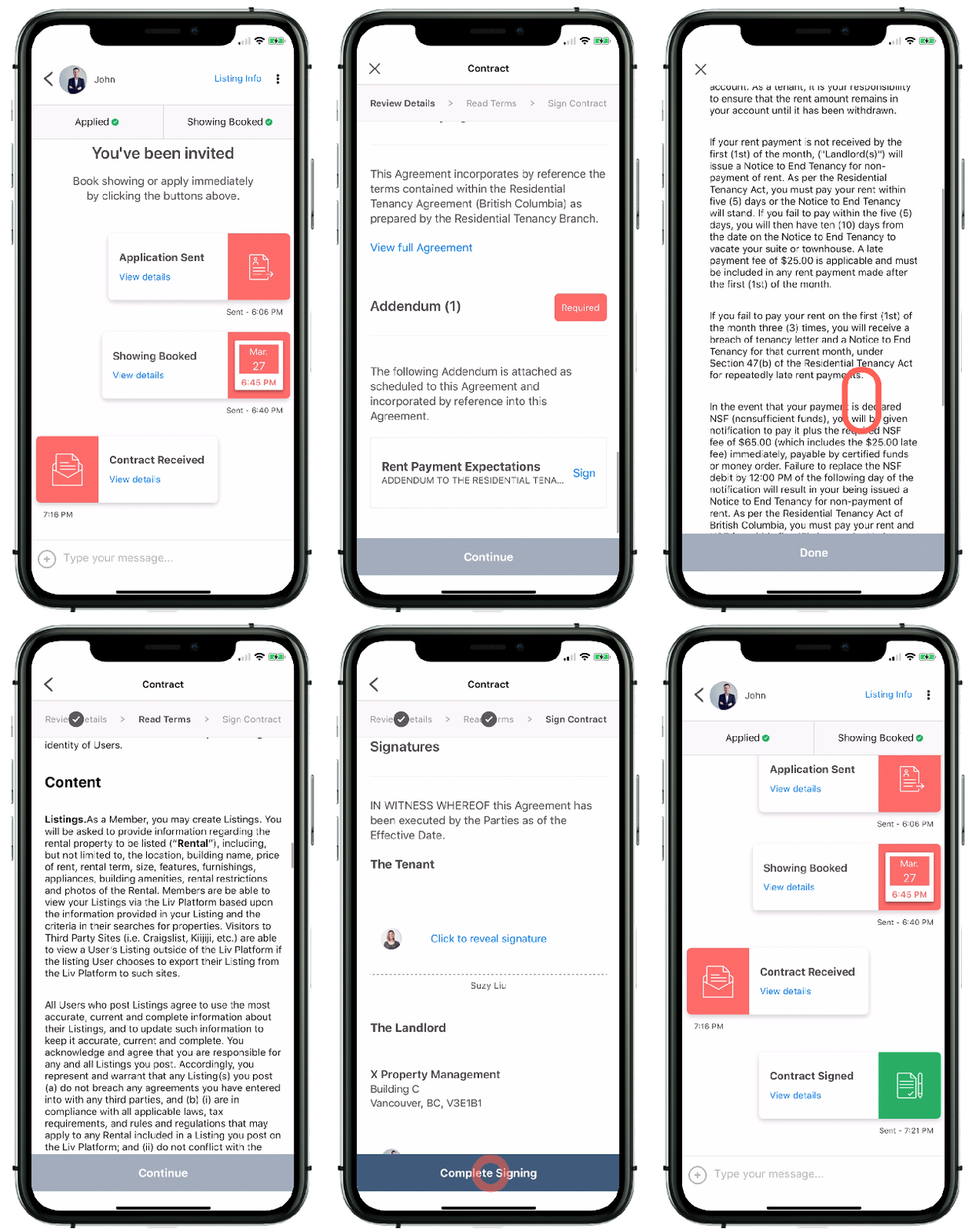
Not on liv.rent yet? Experience the ease of digital applications & contracts, verified tenants & landlords, virtual tours and more – all on one platform. Sign up for free or download the app.
Subscribe to receive the latest tenant & landlord tips and get notified about changes in the Canadian rental market.
>> Stay up-to-date on the average rent in Vancouver, Toronto and Montreal: Rent Reports.

0 Comments