


Living in Canada is no small financial feat. With rent prices consistently climbing and inflation driving up the cost of groceries, transportation, and basic services, many residents are feeling the pinch. Whether you’re a student, a young professional, or a long-time renter, making ends meet in this city often means finding smart ways to cut back on everyday expenses. Utility bills, internet, food, and even leisure activities can quietly eat away at your budget and leave you scratching your head about where all your funds went. Balancing an enjoyable lifestyle while also meeting the realities of your living situation is often a full-time job.
Don’t worry, liv.rent is here to provide you with some supportive resources on how to save money while renting, particularly on utilities and similar costs. In this blog we’ll break down practical, realistic strategies to save money on utilities and daily living costs, without major sacrifices to your comfort or lifestyle. Let’s explore how you can stretch your dollar further living in Canada.
Join Our Newsletter
For more info on rental laws and policies (e.g. eviction, lease agreements, repairs & maintenance), subscribe to get the latest news.
What are various costs involved with renting in Canada?
Renting in Canada comes with more than just your monthly lease. Beyond rent, you’ll need to budget for utilities like electricity, heating (especially in colder provinces), water, internet, and often tenant insurance. These utility costs can vary widely by province and season, making it hard to predict your monthly expenses. Add in groceries, phone bills, and transit costs, and it becomes a challenge to balance financial responsibilities with everyday needs, especially in high-cost cities like Vancouver or Toronto.
| Category | Estimated Monthly Cost (CAD) | Notes / Daily Breakdown |
| Rent (1-Bedroom Apartment) | $1,900 – $2,500+ | Varies by city: Toronto/Vancouver are at the higher end; smaller cities more affordable but still substantial |
| Utilities (Hydro, Heat, Water) | $80 – $200 | Some rentals include this; check lease prior to signing agreement. |
| Internet & Mobile | $80 – $150 | Internet: $60–$100/month; Mobile: $20–$50/month depending on data usage. |
| Renter’s Insurance | $15 – $30 | Protects belongings, required by many landlords. |
| Groceries | $350 – $650 | Depends on diet, household/family size. Around $15–$30/day for one person. |
| Public Transit | $100 – $180 | Monthly pass in cities; Translink: https://www.translink.ca/transit-fares/compass-card Students (BC): https://www.translink.ca/transit-fares/u-pass-bc |
| Personal transportation/Vehicle (Gas or Electric) | $300 – $400 | Gas ($200-$300/month or more) + insurance ($150–$200/month). Electric (charge $150-$200/month): varies depending on distance |
| Dining Out / Coffee | $100 – $300 | Coffee: $4-$7; Lunch: $15–$25; Dinner: $20–$40. |
| Personal / Household Items | $80 – $100 | Toiletries, cleaning supplies, small appliances, etc. |
| Leisure / Entertainment | $75 – $250 | Streaming services, movies, events, gym, subscriptions. |
| Miscellaneous / Emergency | $50 – $200 | Medications, repairs, pet care, clothing, etc. |
How to save costs while renting in Canada
Paying rent is just one part of the financial puzzle. The good news is there are practical ways to ease the burden. In this section, we’ll explore smart, actionable tips to help you cut costs on utilities, daily essentials, and more, so you can live comfortably while staying within your budget.
Create and follow a strategic budget
A clear, realistic budget is your best tool for managing rent and daily expenses. Track your income, set spending limits, and prioritize essentials. Sticking to a plan helps prevent overspending and builds financial stability.
- Allocate your income wisely
Start by identifying your total monthly income, then break it down into essential categories like rent, utilities, groceries, transportation, and savings. Being intentional with each dollar ensures your money is going where it matters most. - Use the 50/30/20 rule
A popular budgeting method in Canada, this rule recommends spending 50% of your income on needs (rent, utilities, food), 30% on wants (entertainment, dining out), and 20% on savings or debt repayment. It provides a balanced approach to managing money without feeling restricted. - Budgeting apps
Tools like Mint, You Need a Budget (YNAB), or PocketGuard can simplify tracking expenses and managing budgets. Many apps categorize spending, send alerts, and help visualize your financial habits—making it easier to stay on top of your goals. - Make savings automatic
Set up auto-transfers from your chequing account to a savings account right after payday. Even small amounts add up over time, and automating the process removes the temptation to spend money you intended to save.
Ways to save on utilities in Canada – Provincial comparison table
| Province / Territory | Key Utility Saving Tips & Programs | Details and resources |
| Alberta | – Conduct home energy audits. – Seal drafts & improve insulation. – Replace old equipment (furnaces, thermostats) with efficient models. – Close off unused rooms; manage space heating wisely. – Use window blinds for insulation. | Very cold winters / hot summers => heating & cooling costs are large. Natural gas & electricity mix; big benefit from better insulation, efficient systems. ucahelps.alberta.ca |
| British Columbia | – Energy saving kits from utilities (LEDs, weather‑stripping, etc.). – Rebates and loans for things like heat pumps, energy‑star appliances. – Efficient water heating, sealing of windows. – Behavioural changes: thermostat adjustments, off‑peak use. | Milder but humid climate in many areas; heating is still a cost. B.C. utilities have strong rebate programs. Rainy, overcast weather means lighting & insulation matter. bchydro.com/powersmart |
| Ontario | – Home Winterproofing Programs; free or low‑cost energy assessments. – Electricity support / credits for low‑income households. – Use off‑peak rates, smart meters. – Incentives for efficient appliances & retrofits. | Very large province with varied climates: north is cold, south milder. Peak‑demand pricing matters. Lots of programs from provincial and municipal utilities. saveonenergy.ca |
| Quebec | – Financial assistance for energy efficiency upgrades via Hydro‑Québec and provincial agencies. – Programs to help households reduce heating / electric consumption. – Weather‑proofing homes; incentives for efficient heating systems. | Cold winters, big heating loads. Also hydroelectric power is abundant, so electricity tends to be cheaper but heating & insulation still make a big difference. hydroquebec.com |
| Nova Scotia / Atlantic Canada | – Use efficient heating / reduce heat loss through sealing, insulation. – Use blinds or drapes to buffer heat/cold. – Energy subsidy or assistance programs (local utilities) when bills are very high. – Behavioral changes (lower thermostat, shorter showers). | Colder winters, more heating, and older housing stock in many areas. Also, high rates & sometimes fuel‑oil heating make efficiency more critical. efficiencyns.ca |
| Other Provinces / Territories | – Similar tips: sealing leaks, insulating, using LED lighting, efficient appliances, hot water optimization. – Check local rebate & grant programs (e.g. Greener Homes program). – Use off‑peak rates where available. – Adapt thermostat settings seasonally. | Extreme climates (very cold north) make heating huge expense; remote areas often have higher base costs. Local utility policy & subsidy programs vary. takechargenl.ca princeedwardisland.ca |
Lower your utility bills even more
Utility costs in Canada, especially in cities like Vancouver, Calgary and Toronto, can quietly eat into your monthly budget, particularly if your rent doesn’t include heat, hydro (electricity), or water. In colder provinces and during winter months, heating alone can spike your bills significantly. These small, consistent changes in how you use energy can lead to noticeable savings, anywhere from $30 to $100 per month.
Here are some easy, low-cost ways to reduce your utility expenses:
- Switch to LED lighting
LED bulbs use up to 80% less energy than traditional incandescent bulbs and last much longer. Replacing all the bulbs in your rental can cut down electricity usage and reduce your hydro bill over time. - Wash clothes in cold water
Heating water is one of the biggest energy drains in a home. Using cold water for laundry not only saves energy but also extends the life of your clothes. - Seal drafts and insulate
Older rental units, especially in cities like Vancouver or Toronto, often have drafty windows or poorly insulated doors. Apply temporary weather stripping or plastic window film in the winter to keep the heat in and the cold air out. It’s cheap, easy to install, and can make a noticeable difference in heating costs. - Layer up instead of turning up the heat
Wearing extra layers like sweaters, thermal socks, or hoodies can keep you warm without raising your thermostat. Even lowering your heat by just 1–2°C can lead to noticeable savings on your monthly energy bill. It’s a simple, no-cost way to stay comfortable and cut costs. - Unplug unused electronics
Devices that are turned off but still plugged in (like TVs, chargers, or coffee makers) continue to draw power—known as “phantom energy.” Unplug them or use smart power strips to eliminate unnecessary electricity use. - Time your appliance use
If your province or city uses time-of-use electricity pricing (like Ontario), running appliances like dishwashers or laundry machines during off-peak hours can lower your bill. Check your local hydro provider for rate schedules. - Turn down the thermostat
Lowering your thermostat by just 1–2 degrees Celsius can lead to significant energy savings over the heating season. Consider wearing warm layers indoors and using space heaters only when needed. - Use energy-efficient appliances
If you own small appliances (like kettles, microwaves, or fans), choose Energy Star–rated models. If your landlord is open to upgrades, suggest energy-efficient replacements that could benefit both of you.
Housing-related costs
Rent isn’t the only expense when it comes to your living space. Housing-related costs, like furniture, insurance, and initial move-in expenses, can catch renters off guard. But with some smart planning and savvy shopping, you can significantly reduce these one-time and recurring costs.
- Compare furnished vs. unfurnished rentals
Furnished units often come with higher monthly rent, but they can save you hundreds (or even thousands) upfront if you’re just starting out or planning a short-term stay. On the other hand, unfurnished rentals typically cost less per month. If you already own furniture or plan to stay long-term, going unfurnished may offer better value in the long run.
Tip: Always calculate the total cost of ownership over your expected stay. For short stays, the convenience of a furnished unit might outweigh the higher rent. Use liv.rent to research these and other important rental aspects.
- Tenant insurance
Many landlords require tenants to carry renter’s insurance, which typically covers your belongings, liability, and sometimes additional living expenses.
How to save:
1. Bundle tenant insurance with your car insurance for a discount.
2. Compare quotes from providers like Sonnet, Square One, or your bank.
3. Choose a higher deductible if you want lower monthly premiums.
4. Only insure what you need—avoid overestimating the value of your possessions. - DIY furniture or Facebook Marketplace
Outfitting a rental doesn’t have to mean draining your savings at big-box stores.
Ways to save:
1. Shop secondhand via Facebook Marketplace, Kijiji, Craigslist, or local buy/sell groups for quality furniture at a fraction of retail prices.
2. Visit local thrift stores or community recycling depots—many offer hidden gems, especially during move-out seasons.
3. Embrace DIY projects by repurposing, refinishing, or assembling budget-friendly pieces (IKEA hacks!).
4. Borrow tools or supplies from friends, libraries, or community tool sheds to avoid buying them for one-off projects.
Work/study-specific costs
Balancing rent and daily expenses is tough enough, but if you’re working or studying in Canada, you also face unique costs related to education and productivity. Beyond cutting utility bills, there are smart ways to save on these work- and study-related essentials:
- As a Student in Canada
Student life often means tight budgets and high demands. Take advantage of student discounts on transit, tech, software, and even groceries. Many universities also offer free or low-cost access to on-campus resources like printing, tutoring, and software licenses. Use secure digital rental platforms like liv.rent to ensure you find the best option for your budget.
Tip: Register for a local transit pass or student card to unlock savings, and check out your school’s resource center for free or discounted services. - Textbooks
New textbooks can be shockingly expensive. Save by buying used copies from former students, online marketplaces (like Amazon or Kijiji), or local student groups. Many courses also offer digital or rental versions at a fraction of the price.
Tip: Ask professors if older editions are acceptable or look for open educational resources (OERs) and free PDFs online. - Tech & Software
You need reliable tech for work or study, but it doesn’t have to break the bank. Look for student or professional discounts on laptops, tablets, and software suites like Microsoft Office or Adobe Creative Cloud. Many Canadian schools partner with tech companies to provide free or discounted licenses.
Tip: Buy refurbished devices from trusted retailers or manufacturers to save hundreds. Use free software alternatives like LibreOffice or Google Docs where possible. - Printing
Printing costs can add up, especially if you’re required to submit physical copies of assignments or documents. Reduce expenses by printing only what’s necessary, using duplex (double-sided) printing, and taking advantage of free printing at your campus library or local community centers.
Tip: Use digital submissions whenever possible and share print jobs with classmates to buy paper and ink in bulk.
Daily living and personal costs
- Take Advantage of Referral Fees
Many companies offer referral bonuses for services like banking, telecom, or food delivery—sharing these with friends can earn you credits or cash. Always check if a referral program is available before signing up for new services. - Review Subscriptions
Regularly audit your subscriptions for streaming, apps, or memberships and cancel those you rarely use. Sharing accounts or switching to family plans can also lower monthly costs. - Clothing: Buy What’s Needed & Purchase at Sales/Clearance
Focus on essentials rather than fast fashion to stretch your wardrobe budget. Shopping during sales or clearance events lets you score quality pieces at significant discounts. - Fitness
Instead of expensive gym memberships, try free outdoor workouts, online fitness classes, or community programs. Many local parks and recreation centers offer affordable or pay-what-you-can options. - Groceries
Plan meals, buy in bulk, and choose store brands to cut grocery bills without sacrificing nutrition. Shopping at farmers’ markets near closing time or using discount apps can help you snag deals. - Transportation
Use public transit passes, bike, or carpool to reduce commuting costs. Many cities also offer discounted monthly or yearly transit passes for students and low-income riders. - Laundry
If you pay per load, wash full loads and use cold water to save money. Air-drying clothes when possible further reduces energy consumption and extends fabric life.
Talk to a financial coach
If you’re finding it hard to manage your utility costs or apply these money-saving tips, consider speaking with a financial coach. They can help you build a realistic budget and find ways to reduce expenses without sacrificing comfort. When searching for affordable rental units, always use verified and secure platforms like liv.rent to avoid scams and ensure transparency. Getting the right support can make a big difference in staying financially stable while renting.
FAQs: How to save costs while renting in Canada
What is a good budget for rent?
Rent can vary greatly across Canada, but you should never be spending more than 50% of your income on rent.
What is the 30-day rule for saving money?
The 30-day rule suggests waiting 30 days before making non-essential purchases to avoid impulse buying.
How can I save money while paying rent?
Save money by budgeting carefully, negotiating rent or lease terms, reducing utility use, and cutting daily expenses.
Rethink The Way You Rent
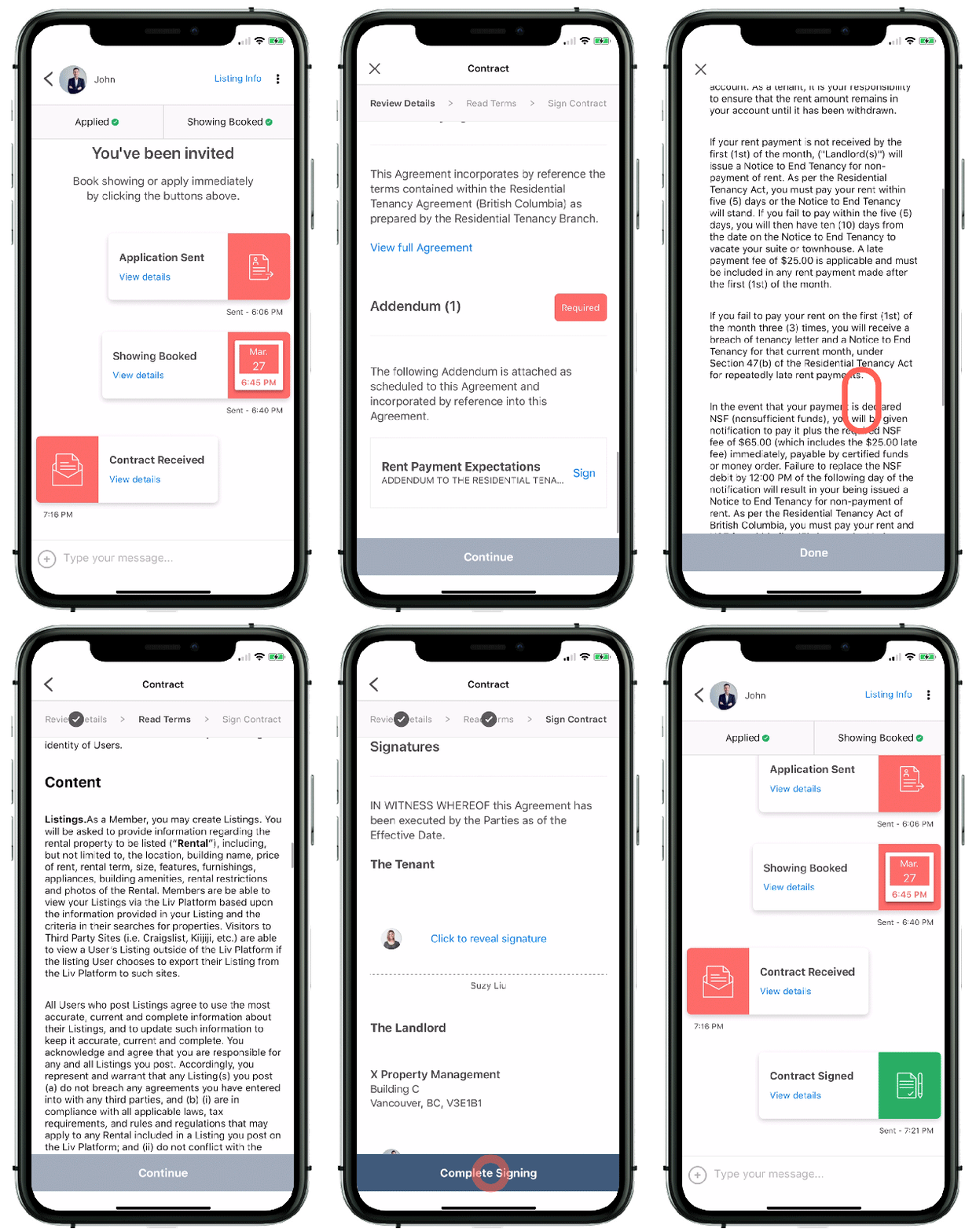
Not on liv.rent yet? Experience the ease of digital applications & contracts, verified tenants & landlords, virtual tours and more – all on one platform. Sign up for free or download the app.
Subscribe to receive the latest tenant & landlord tips and get notified about changes in the Canadian rental market.
>> Stay up-to-date on the average rent in Vancouver, Toronto and Montreal: Rent Reports.




0 Comments