


Subletting can be an ideal solution for renters who need temporary flexibility in their lease but aren’t ready to give up the stability of having a long-term rental. Whether you’re relocating for a short-term job, taking an extended trip, or transitioning between living situations, subletting allows you to maintain your rental while passing the responsibilities to another qualified tenant for a set period. For landlords, subletting presents a practical way to retain good tenants while avoiding the time, effort, and cost associated with finding entirely new renters. Rather than facing a vacancy or starting the leasing process from scratch, landlords can benefit from a continuous rental income and greater tenant stability through a well-managed sublet.
However, for a sublet arrangement to be successful, it’s crucial that both the original tenant (sublessor) and the incoming tenant (sublessee), as well as the landlord, understand their rights, responsibilities, and the legal requirements involved. Each province in Canada has its own laws and regulations governing subletting, and being informed is key to avoiding misunderstandings or disputes. In this guide, liv.rent will walk you through everything you need to know about subletting in Canada. From defining what subletting is, to outlining key considerations and legal obligations for renters and landlords in major provinces like British Columbia, Alberta, and Ontario, we’ll help you navigate the process with confidence.
Join Our Newsletter
For more info on rental laws and policies (e.g. eviction, lease agreements, repairs & maintenance), subscribe to get the latest news.
What Does Subletting Mean in Canada?
Subletting in Canada refers to the process where a tenant temporarily rents out their unit to another person, known as the subtenant, for a portion of their lease term. The original tenant remains on the lease and is still legally responsible for the unit, including paying rent and covering any damages. Subletting is often used when tenants need to leave their rental temporarily but plan to return. It offers flexibility for renters and can help landlords avoid vacancies. However, subletting must typically be approved by the landlord and follow provincial tenancy laws and lease terms.
Subletting Tenant Rights Across Canada
Tenant rights related to subletting vary by province, but in most cases, renters have the right to sublet with their landlord’s consent. Landlords cannot unreasonably refuse a qualified subtenant. However, the original tenant remains liable under the lease. It’s essential to review your province’s tenancy laws to ensure you’re complying with all legal requirements.
Right to Request Subletting Permission
In Canada, tenants generally have the right to request permission to sublet their rental unit. This process typically requires providing written notice to the landlord, including details about the prospective subtenant. Landlords cannot unreasonably refuse these requests and must provide valid reasons if they do. The specific rules and timelines for requesting permission vary by province, but the right to apply is protected in most jurisdictions. Tenants should always follow the proper legal procedures to avoid disputes, including using written communication and keeping proof of their request. Securing this permission protects both parties and ensures the sublet is legally valid.
Right to Equal Treatment
Tenants have the right to equal treatment under tenancy laws when it comes to subletting. This means landlords cannot discriminate against tenants or prospective subtenants based on race, gender, religion, family status, or other protected grounds. When reviewing sublet requests, decisions must be based on legitimate reasons, such as the subtenant’s ability to meet lease obligations, rather than personal biases. Equal treatment ensures fairness in the rental process and helps protect vulnerable groups, including newcomers and students, from unjust denial of subletting opportunities.
Responsibility for Rent & Damages
Even when subletting, the original tenant remains fully responsible for paying rent and covering any damages caused by the subtenant. If the subtenant fails to pay rent or damages the property, the landlord can hold the original tenant accountable under the lease agreement. Tenants should carefully vet subtenants and include clear terms in the sublet agreement to minimize risks. Maintaining open communication with both the landlord and subtenant helps manage responsibilities. Understanding this ongoing liability is crucial for tenants considering subletting to avoid financial or legal complications.
Subletting Tenant Rights in Key Provinces (2025)
Subletting rights and procedures vary across Canada’s provinces. In Ontario, tenants must get landlord consent but refusal must be reasonable. Quebec requires the landlord’s approval, which cannot be unreasonably withheld, and the sublet cannot impose higher rent than the original lease. British Columbia also protects tenants’ right to sublet but landlords can refuse with valid reasons. Alberta and Manitoba have similar rules mandating consent but with protections against unfair refusals. Understanding local laws is essential since each province has specific forms, notice periods, and rules to protect both tenants and landlords in subletting arrangements.
British Columbia
In British Columbia, tenants have the right to sublet their rental unit with their landlord’s consent, which cannot be unreasonably withheld. To request a sublet, tenants must submit a written request that includes details such as the subtenant’s name and contact information, the sublet term, and the reason for subletting. Landlords have 14 days to respond—if they don’t, consent is considered granted. If consent is denied, the landlord must provide valid reasons. Both the tenant and subtenant should keep proper documentation and follow the required steps to stay compliant with B.C.’s tenancy laws. For the most current information, it’s best to consult the Residential Tenancy Branch or a legal professional.
Quebec (Montreal)
To sublet in Quebec, use the Tribunal administratif du logement’s official lease form and replace “lessee” and “lessor” with “sublessee” and “sublessor.” The sublease is valid only with the lessor’s approval. Terms must align with the main lease—no extra rights for the sublessee. Rent charged cannot exceed what the lessee pays, except for reasonable service or furniture use fees. Notify the lessor in writing with the sublessee’s name, address, and sublet start date.
The lessor has 15 days to respond; silence equals consent. The lessee remains responsible for the lease and must ensure the unit is clean, habitable, and rules are followed. Subletting over 12 months may lead to non-renewal of the lease. The sublessee has no right to stay after the sublease unless they sign a new lease. If the lessor unreasonably refuses the sublet, the Tribunal may approve it or award damages. Keep records and involve the sublessee in hearings.
Alberta (Calgary, Edmonton)
Subletting is also legal in Alberta, but like Ontario, it requires written permission from the landlord before proceeding. While landlords have the right to approve or deny a sublet request, they must have reasonable grounds for refusal and cannot withhold consent unfairly. Once approval is granted, the original tenant and the subtenant should create a written sublet agreement outlining the terms, responsibilities, and duration of the arrangement. Although the subtenant pays rent to the original tenant, the original tenant remains fully responsible for the lease—including rent payments to the landlord and any damages.
Clear communication and adherence to Alberta’s tenancy laws are essential to ensure a smooth and lawful subletting experience. For the most accurate guidance, tenants should consult the Residential Tenancy Dispute Resolution Service (RTDRS) or a legal professional.
Ontario
Subletting is legal in Ontario, but it must be done in accordance with provincial regulations. Tenants have the right to sublet their rental unit, but they must first obtain written consent from their landlord. Importantly, landlords cannot unreasonably withhold consent if the proposed subtenant is qualified. When requesting to sublet, tenants should provide their landlord with a formal written notice that includes:
- The subtenant’s name and contact information
- The proposed start and end dates of the sublet
- A copy of the proposed sublet agreement
- The reason for subletting
Landlords may request additional details about the subtenant, but they are required to respond within a reasonable timeframe—typically within 7 to 30 days, depending on the situation. If the landlord does not respond within that period, consent is usually considered granted.
If consent is denied, the landlord must provide valid, legal reasons for the refusal. Both the tenant and the subtenant must follow proper procedures and adhere to Ontario’s tenancy laws for the subletting arrangement to be legal. Because regulations can change, it’s recommended to consult the Landlord and Tenant Board of Ontario or seek legal advice to ensure compliance with the most up-to-date rules.
Why Subletting Matters for Students & Newcomers: Subletting Tenant Rights
Subletting is a big deal for students and newcomers in Canada, especially if you’re looking for short-term or affordable housing. It’s a flexible option, but it comes with important rights and responsibilities. As a subtenant, you don’t have the same protections as someone on the original lease, so it’s crucial to know what you’re signing. For example, you might have to move out when the sublease ends, even if you want to stay. Without proper knowledge, you could face unfair rent, sudden eviction, or even legal issues. Understanding your rights helps you avoid scams, protect yourself, and plan ahead with confidence.
Risks of Subletting Without Understanding Your Rights
Subletting your place without fully understanding your rights in Canada can lead to serious headaches. If you don’t follow the rules, you could end up paying fines, staying responsible for damages, or even losing your lease. For example, charging more rent than allowed or not getting your landlord’s approval can cause legal trouble. Plus, if your subtenant breaks the rules, you’re still on the hook. Every province has different laws, so it’s important to do your homework before handing over the keys. Knowing your rights protects you, your home, and helps avoid unwanted surprises down the road.
How liv.rent Protects Your Subletting Tenant Rights
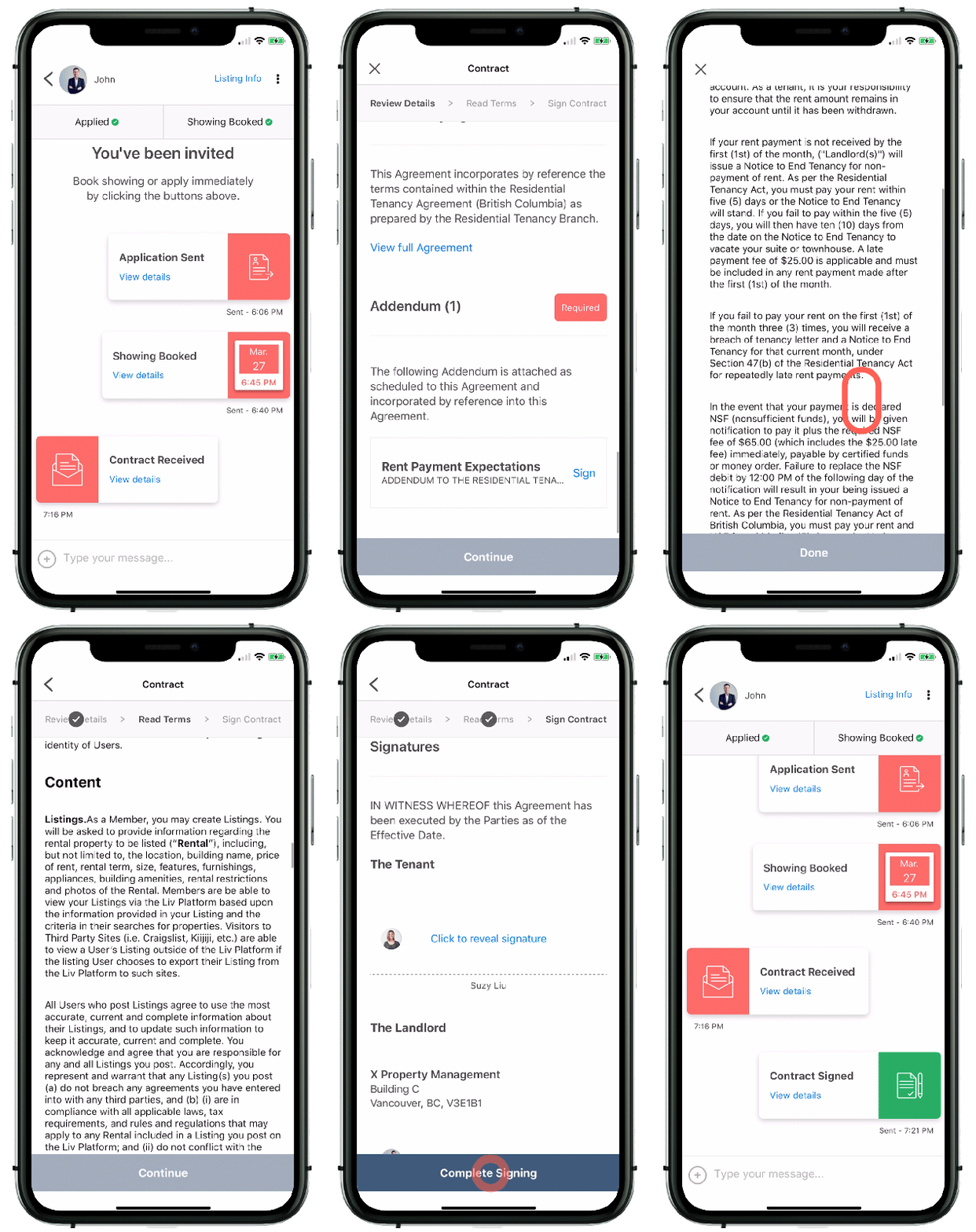
Digital platforms like liv.rent make the rental process faster, easier, and more secure for both landlords and tenants looking to sublet. Instead of relying on paper forms or outdated templates, users can create, sign, and manage their rental agreements entirely online. The platform walks users through each step using forms that are tailored to the legal requirements of each province, helping avoid costly mistakes. Features like ID verification and document tracking also promote transparency and trust, reducing the risk of scams and misunderstandings. For students, newcomers, or busy professionals, this kind of streamlined system is a game-changer.
Verified Tenants & Landlords
Tenancy agreements created and signed on liv.rent are legally binding and fully recognized across Canada. The platform uses secure e-signatures and built-in identity verification to ensure that everyone involved in the agreement is who they say they are. This added layer of security helps prevent fraudulent activity and ensures that all parties understand and agree to the terms. Because everything is documented and time-stamped, it also reduces the chance of future disputes. Whether you’re a landlord or a tenant, having a verified digital agreement offers peace of mind and legal protection.
Rent Payments & Receipts
With liv.rent’s digitally secure platform, rent payments and receipts simple, safe, and stress-free. Tenants can pay rent online through trusted payment methods, while landlords receive funds directly, without the hassle of cash or cheques. Each transaction is automatically tracked and recorded, creating a clear, organized history of payments. Receipts are instantly generated and stored, so both parties have easy access to proof of payment anytime. This built-in system not only saves time but also helps prevent disputes or misunderstandings. With everything documented and secure, liv.rent makes managing rent as smooth and transparent as the rest of the rental process.
Built-in Compliance with Provincial Laws
One of the biggest benefits of using a platform like liv.rent is that it automatically keeps your rental documents aligned with current laws. Provincial tenancy regulations can change over time, and it’s easy to miss important updates if you’re using manual forms. Liv.rent builds these changes into its system, so users are always working with legally compliant documents. This reduces the risk of legal issues down the road and ensures that both landlords and tenants are fully protected throughout the tenancy. It’s a smart, proactive way to stay on top of your rights and responsibilities.
FAQs on Subletting Tenant Rights in Canada 2025
Can my landlord refuse my sublet request?
Yes, but only for a serious reason; otherwise, they must accept or are deemed to have consented after 15 days.
Do I need my landlord’s permission to sublet?
Yes, written permission is required before subletting your unit.
Who is responsible if my subtenant doesn’t pay rent in Canada?
You, the original tenant, are still legally responsible for rent and damages.
Is subletting safe in Canada?
Yes, if done legally with proper documentation and landlord approval.
What is an unauthorised sublet?
It is when a tenant sublets their unit without the landlord’s knowledge or consent.
Can I be evicted for having a roommate?
Not usually, but it depends on your lease terms and local laws—check before adding someone.
What are the rules for subletting in Canada?
Rules vary by province, but generally require landlord consent, written notice, and compliance with the main lease.
Rethink The Way You Rent
Not on liv.rent yet? Experience the ease of digital applications & contracts, verified tenants & landlords, virtual tours and more – all on one platform. Sign up for free or download the app.
Subscribe to receive the latest tenant & landlord tips and get notified about changes in the Canadian rental market.
>> Stay up-to-date on the average rent in Vancouver, Toronto and Montreal: Rent Reports.




0 Comments