


In 2025, the Residential Tenancy Branch (RTB) in British Columbia introduced important updates to its web portal and tenancy processes, aimed at improving clarity, access, and fairness for both landlords and tenants. These changes include stricter rules for issuing eviction notices, updated dispute resolution timelines, and a requirement to use RTB-generated forms for ending tenancies due to personal or purchaser use. As Canada’s safest rental platform, liv.rent is passionate about sharing all resources and knowledge with landlords and tenants in order to facilitate the best possible experience between all parties.
To that end, landlords must now generate official RTB-32P or RTB-32L forms through the portal, or their notices will be legally unenforceable. Tenants, in turn, have 21 days to dispute these notices using the RTB’s streamlined Online Dispute Resolution system. With a user-friendly portal, enhanced multilingual support, and a more transparent legal process, these updates make navigating tenancy issues more efficient and equitable. Whether you’re a landlord or a tenant, it’s essential to understand these changes to protect your rights and meet your responsibilities under B.C.’s rental laws. Let’s break down some of the major implications to renters and landlords.
Join Our Newsletter
For more info on rental laws and policies (e.g. eviction, lease agreements, repairs & maintenance), subscribe to get the latest news.
What is the Residential Tenancy Branch (RTB)?
The Residential Tenancy Branch (RTB) in British Columbia helps landlords and tenants understand their rights and responsibilities throughout a tenancy—from starting, managing, to ending a rental agreement. The RTB as the provincial authority overseeing landlord–tenant relationships in BC. They offer guidance on rent, selling rental properties, and resolving tenancy problems. If issues come up that can’t be solved through communication, either party can apply for dispute resolution—a formal process to settle conflicts.
The RTB also supports manufactured home tenancies, provides key forms and resources, and offers services in over 200 languages. If you have a disability, you can request accommodations for a dispute resolution hearing. Whether you’re a landlord or a tenant, the RTB is a valuable resource to help you navigate rental situations fairly and legally.
Purpose of the RTB
The Residential Tenancy Branch (RTB) in British Columbia exists to support both landlords and tenants by providing information, resources, and dispute resolution services. Its main purpose is to ensure rental relationships are fair, legal, and clearly understood by all parties. The RTB helps with starting, managing, and ending tenancies, and offers guidance on rent, selling rental properties, and unique situations like manufactured home tenancies. When problems arise, the RTB provides a formal dispute resolution process and offers accommodations for people with disabilities. Multilingual support is also available, making the RTB a key resource for navigating rental housing in B.C.
Who Uses the RTB Web Portal?
The Residential Tenancy Branch (RTB) web portal is used by both landlords and tenants in British Columbia to resolve rental disputes and access tenancy-related services. The portal allows users to apply for dispute resolution online, review past decisions, and learn about tenancy laws, processes, and rights. It supports different resolution processes, including direct request, facilitation, participatory hearings, and expedited hearings for urgent cases. The portal is designed for people involved in a rental agreement—landlords managing properties or tenants experiencing issues. Users must have a Basic BCeID to access the online services.
Key Services Available Through the RTB Web Portal
The Residential Tenancy Branch (RTB) web portal provides landlords and tenants in B.C. with a convenient way to manage tenancy-related issues and access essential services. From resolving disputes to finding the right forms and understanding tenancy law, the portal is a valuable tool for navigating rental situations legally and efficiently.
Online Dispute Resolution
Users can apply online for dispute resolution through various processes depending on the nature of the issue, including:
- Direct Request – for straightforward cases that meet specific eligibility.
- Facilitation – a guided negotiation process to reach a mutual agreement.
- Participatory Hearings – a formal hearing where both sides present their evidence.
- Expedited Hearings – for emergency situations that require urgent attention.
To apply online, users need a Basic BCeID account, which provides secure access to government services.
Eviction & Termination Rules
New rules around evictions have been introduced to prevent misuse of personal-use claims. Landlords who want to evict a tenant for their own (or a family member’s or caretaker’s) use must now use the official Landlord Use Web Portal to issue the notice. The required notice period is three months, and tenants now have 30 days to dispute it. Once the unit is vacated, the landlord or new owner must occupy it for at least 12 months—otherwise, they could be required to compensate the evicted tenant with a full year’s rent. Additionally, landlords can no longer evict for personal use in rental buildings with five or more units, providing stronger protections for tenants in larger complexes.
Access to Tenancy Forms
The portal includes a library of official forms for both landlords and tenants. These forms cover everything from starting or ending a tenancy to requesting dispute resolution and serving notices. Using the correct forms ensures all actions follow legal requirements under the Residential Tenancy Act.
Legislation & Guides
Users can explore key legislation like the Residential Tenancy Act and Manufactured Home Park Tenancy Act, along with helpful guides and policy guidelines. These resources explain tenant and landlord rights, responsibilities, and the processes for handling various tenancy issues. The portal also includes links to related agencies and information about where to turn if an issue falls outside the RTB’s jurisdiction.
June 18, 2025 Update – New Rules for Ending Tenancy for Personal Occupancy
As of June 18, 2025, new rules were introduced to strengthen fairness and transparency when landlords end a tenancy for personal use, such as moving in themselves or having a close family member move in.
Key changes include:
- Full notice must be served: A notice to end tenancy is only valid if all pages are properly delivered to the tenant.
- Proper notice periods are required: Tenants must be given the correct amount of notice by law, depending on the reason for eviction.
- Stricter dispute process: If a tenant disagrees with the notice, they must apply for dispute resolution within specific deadlines, or the eviction is automatically considered accepted.
- Landlords must prove lawful intent: At a dispute hearing, the landlord must show evidence that the eviction meets legal requirements.
- Orders must be enforced legally: Landlords cannot physically remove tenants—a court-approved bailiff is required after following all legal steps.
These changes ensure tenants are treated fairly and help prevent misuse of eviction for personal occupation.
New requirement to generate Form RTB-32L via the RTB Web Portal
Landlords must use the Residential Tenancy Branch’s web portal to generate either the Three Month Notice to End Tenancy for Purchaser’s Use (RTB-32P) or Landlord’s Use (RTB-32L). Any notice that is not generated through the RTB system using these specific forms is not legally valid.
You can view examples of the RTB-32P and RTB-32L forms online. The RTB also provides a helpful information sheet outlining the required details to complete the forms in the web portal. Tenants have 21 days to apply for dispute resolution after receiving either notice.
Who Is Affected:
These changes impact landlords who need to end a tenancy for personal or purchaser use, and tenants receiving a three-month eviction notice under these specific circumstances. Both parties must follow new legal requirements for valid notices and dispute timelines, ensuring tenants have clear rights to challenge eviction notices and landlords use the proper RTB-generated forms for their notices to be enforceable.
Benefits of the Change:
The new rules improve fairness and clarity by requiring landlords to use official RTB-generated forms, making eviction notices legally valid and enforceable. Tenants gain clearer protections with a 21-day window to dispute notices, helping prevent wrongful evictions. Overall, these changes promote transparency, protect tenant rights, and ensure landlords follow proper legal procedures when ending tenancies for personal or purchaser use.
How to Access and Use the RTB Web Portal
The RTB web portal is a convenient, secure platform where landlords and tenants can manage tenancy matters online. Whether you’re filing for dispute resolution, accessing forms, or checking application status, the portal streamlines many key services.
To get started, follow these steps:
- Create a Basic BCeID
To access the RTB’s online services, you’ll need a free Basic BCeID account. This allows you to securely log in and access government services. - Log In to the RTB Portal
Visit the Residential Tenancy Branch website and log in using your BCeID to begin using services like applying for dispute resolution or submitting documents. - Submit Applications
Apply for dispute resolution directly through the portal. You’ll be guided through the necessary steps and forms, depending on your situation. - Track Application Status
After applying, use the Dispute Access Site to check your application’s status and get updates. - Find Resources and Support
Access tenancy forms, guides, and past dispute decisions, and get help in over 200 languages or request hearing accommodations if needed.
The RTB web portal is designed to make navigating tenancy issues more accessible, especially for those managing disputes or needing reliable legal information.
Important Tips for Landlords and Tenants
Always serve or receive the full eviction notice, and ensure it includes the correct notice period. Tenants must apply for dispute resolution before the deadline or risk losing the right to challenge. Landlords must provide evidence to justify ending a tenancy, especially for personal occupation. Use the RTB web portal to access forms, apply online, track applications, and get legal information. A Basic BCeID is required to use the portal. Keep all communications and documents in writing.
FAQs – Residential Tenancy Branch in BC
What is the Residential Tenancy Branch (RTB)?
The RTB is the government body managing tenancy laws, forms, and dispute resolution in BC.
Can I still use printed forms after June 18, 2025?
No, for landlord-use notices (Form RTB-32L), you must generate it via the RTB Web Portal.
How do I start an online dispute with my landlord or tenant?
Create a Basic BCeID and apply through the RTB web portal’s Online Dispute Resolution system.
How do I start an online dispute with my landlord or tenant?
Yes, though some dispute resolution applications have associated fees.
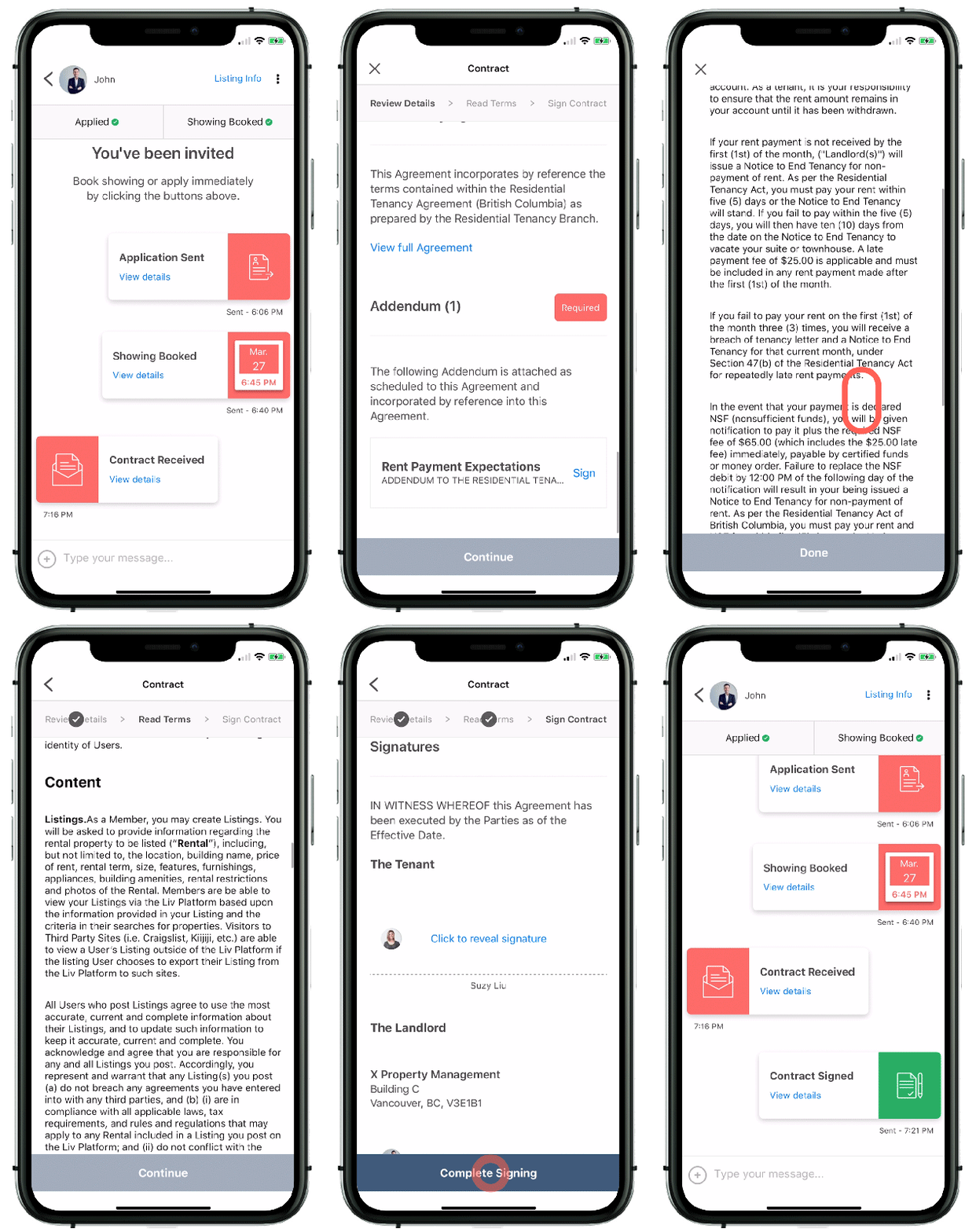
Rethink The Way You Rent
Not on liv.rent yet? Experience the ease of digital applications & contracts, verified tenants & landlords, virtual tours and more – all on one platform. Sign up for free or download the app.
Subscribe to receive the latest tenant & landlord tips and get notified about changes in the Canadian rental market.
>> Stay up-to-date on the average rent in Vancouver, Toronto and Montreal: Rent Reports.



0 Comments