


In Canada’s fast-paced and competitive rental market, having clear, legally compliant written agreements are more important than ever. A residential tenancy agreement is a legal contract between a landlord and a tenant that outlines the terms and conditions of renting a space. It defines the rights, responsibilities, and expectations of both parties, helping to prevent misunderstandings and protect everyone involved. Whether you’re renting an apartment, house, basement suite, or townhome, having a written agreement brings transparency and peace of mind in a complex and demanding world. Being confident and stress-free in your rental situation helps nurture a more positive and fulfilling lifestyle. In this guide, we’ll explore why these agreements matter, what they should include, and where you can find the right forms based on your province or territory.
Join Our Newsletter
For more info on rental laws and policies (e.g. eviction, lease agreements, repairs & maintenance), subscribe to get the latest news.
Definition of a Residential Tenancy Agreement
A residential tenancy agreement is a legally binding contract between a landlord and a tenant that outlines the terms and conditions of renting a residential property. This agreement sets the rules for how long the tenant will live at the property, how much rent will be paid, what’s included (like utilities or parking), and the rights and responsibilities of both parties. In Canada, each province or territory has its own rules governing these agreements, but the majority will follow a similar standardized approach to tenancy that include responsibilities for both the renter and the landlord.
Why a residential tenancy agreement matters in 2025
In 2025, the rental landscape in Canada continues to evolve, making a clear and legally binding residential tenancy agreement essential. With increased demand for rentals, growing populations, rising housing costs, and consistent updates to provincial tenancy laws, having a written agreement protects both tenants and landlords. It ensures that both parties understand their rights, responsibilities, and the terms of the rental, and that both can be legally protected should any issues arise. A well-drafted agreement helps prevent disputes and provides a solid foundation for a respectful, transparent rental relationship, whether you’re renting for the first time or managing multiple properties. This relationship will serve both parties for years to come, as references and reviews may be used by both parties in future situations.
Key Elements of a Residential Tenancy Agreement
A residential tenancy agreement should clearly outline the terms of the rental, helping both landlords and tenants avoid confusion and disputes. The agreement typically includes key elements like rent amount and payment dates, deposits, lease duration, rights and responsibilities, and procedures for ending the tenancy.
Rent & Deposits
This section of the agreement must include the monthly rent amount, due date, and acceptable payment methods. It should also mention late payment fees (if any), rent increases, and any rules around unpaid rent. Additionally, the agreement should clearly state the type and amount of any deposits, commonly a security deposit or pet deposit, and outline the conditions under which they will be returned. Tenants should always request a receipt for deposits paid.
Term of Tenancy
The term defines how long the tenant is allowed to occupy the unit. Tenancies are usually either fixed-term (e.g., 12 months) or month-to-month. A fixed-term lease offers stability, while month-to-month gives flexibility. The agreement should clearly state the start and end dates, how renewals work, and what notice is required to end or extend the lease. Tenants and landlords should also agree on terms for early termination or lease breaks.
Tenant Rights & Responsibilities
Tenants have the right to a safe, habitable living space, privacy, and timely repairs. They also have responsibilities like paying rent on time, keeping the unit clean, and following any agreed-upon building rules. Tenants should report maintenance issues promptly and not disturb neighbours. Provincial tenancy laws support tenants, but a clear agreement ensures everyone’s expectations are aligned. Understanding your rights and duties helps prevent disputes and builds mutual respect between tenants and landlords.
Landlord Rights & Responsibilities
Landlords must provide a clean, well-maintained, and safe property for tenants to live in. They are responsible for ensuring essential services like heat, electricity, and water function properly and for addressing repairs in a timely manner. Landlords also have the right to receive rent on time, inspect the property with proper notice, and enforce the terms of the agreement. A clear rental agreement ensures landlords can manage their property professionally and fairly. By documenting everything in writing, especially through trusted platforms, landlords can avoid misunderstandings and legal issues.
Types of residential tenancy agreements
In Canada, there are two main types of residential tenancy agreements: fixed-term and periodic (month-to-month). A fixed-term lease has a set end date, offering stability for both parties. A month-to-month tenancy renews automatically and offers flexibility. Some provinces may also recognize subleases or roommate agreements. Choosing the right type depends on your needs, lifestyle, and future plans. Whichever you choose, make sure it’s clearly documented and complies with your province’s tenancy laws for a smooth rental experience.
Residential Tenancy Agreement Forms in 2025
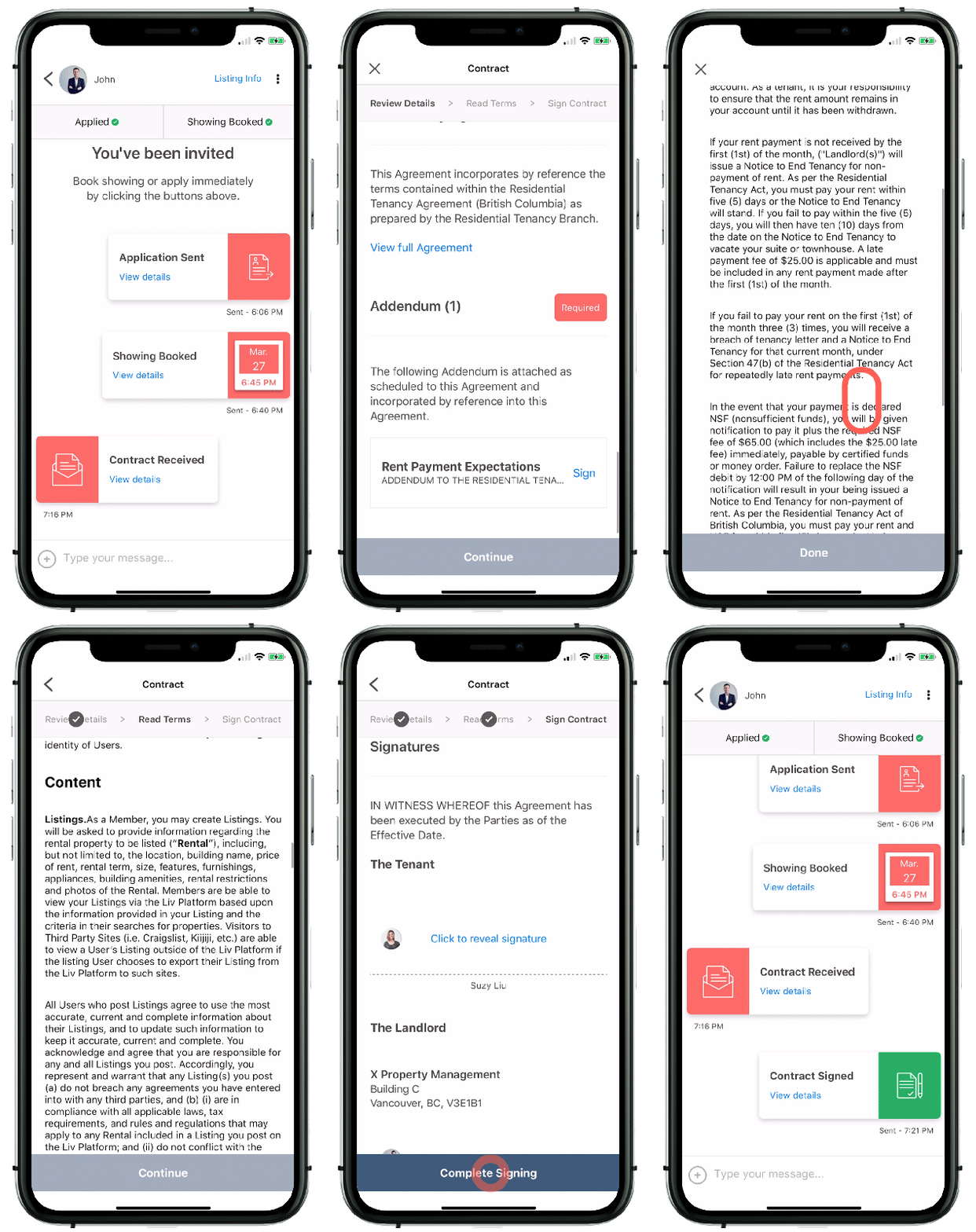
In 2025, residential tenancy agreement forms are accessible and standardized. Most provinces require landlords to use official, government-approved forms that outline key terms and protect both parties. These forms can typically be downloaded online and filled out digitally or on paper. With the shift toward digital rentals, many landlords now use secure platforms like liv.rent to complete and sign agreements electronically. Always ensure you’re using the most current version to stay compliant with provincial rental laws.
Where to Get Official Forms
Official residential tenancy agreement forms are usually available on provincial or territorial government websites. These forms are designed to comply with local tenancy laws and cover essential details like rent, deposits, and rights. It’s important to use the correct form for your province to ensure the agreement is legally valid. Many provinces also provide helpful guides alongside the forms to assist landlords and tenants in filling them out properly.
Digital vs Paper Agreements
Digital tenancy agreements have become increasingly popular for their convenience and security. They allow landlords and tenants to review, sign, and store leases online, reducing paperwork and making it easier to access agreements anytime. Paper agreements are still valid but can be harder to track and manage. Using trusted platforms like liv.rent ensures digital agreements are secure, legally compliant, and can include ID verification to protect both parties.
Common Mistakes to Avoid
There are a number of things renters and landlords should avoid when signing a residential tenancy agreement. Some of the most important mistakes to avoid are:
1. Not Having a Written Agreement
Verbal agreements are hard to prove in court.
2. Unclear or Missing Terms
Issues include no start or end date, vague rent amount or due date, and no clear rules about utilities or maintenance.
3. Failing to Comply with Local Laws
This includes illegal clauses (such as banning pets where prohibited by law) or exceeding legal security deposit limits.
4. Not Conducting a Property Condition Report
Disputes can arise over damage or wear and tear without proper documentation of the property’s condition.
5. Ignoring Maintenance and Repair Terms
Common mistakes include not stating who is responsible for repairs or failing to include timelines for fixing issues.
6. No Clauses for Early Termination or Breach
Unexpected situations may require lease termination, and without proper clauses, this can lead to disputes.
7. Omitting Rules for Subletting or Guests
Long-term guests or illegal sublets can become a liability without clear terms in the agreement.
8. No Clause for Rent Increases
Disagreements can arise over rent hikes if the process isn’t defined in the agreement.
9. Not Reviewing the Agreement Thoroughly
Tenants often skip over legal language or sign without fully understanding the terms.
10. Missing a Dispute Resolution Clause
Without it, resolving disagreements can be more difficult and costly.
Residential Tenancy Agreement by Province
Residential tenancy agreements in Canada vary by province, reflecting different laws and regulations designed to protect both tenants and landlords. Each province provides official forms and guidelines to ensure agreements are clear and legally compliant. Understanding your province’s specific rules helps avoid disputes and ensures your rights are respected. Whether you’re renting in British Columbia, Ontario, Quebec, or Alberta, it’s important to use the right forms and follow local tenancy laws.
British Columbia
In British Columbia, tenancy agreements must follow the Residential Tenancy Act. It is mandatory for Landlords to use the BC Residential Tenancy Agreement form, issued by the Residential Tenancy Branch. The agreement covers rent, deposits, maintenance responsibilities and more. This province offers strong tenant protections, including limits on rent increases and eviction rules, but also has strict rules to follow.
Ontario
In Ontario, most residential tenancy agreements signed on or after April 30, 2018, must use the Ontario standard lease form. This form creates a legally binding contract between the landlord and tenant, commonly referred to as a residential tenancy agreement. However, certain types of housing—such as care homes, mobile home sites, co-ops, and some social or supportive housing—are exempt from this requirement. Importantly, all leases must comply with the Residential Tenancies Act, and cannot override tenant rights protected under the Act or the Ontario Human Rights Code, which ensures equal treatment in housing without discrimination.
Quebec
Quebec’s rental agreements are governed by the Civil Code of Quebec and administrated by the Tribunal administratif du logement. Use of the Régie du logement form is mandatory, must be in writing and include key details like rent, term, and conditions. Quebec strongly protects tenants’ rights and requires landlords to provide a signed lease within a month of occupancy. Official forms are available, but leases can also be drafted with care. Digital signing tools help ensure agreements are secure and legally binding.
Alberta
Alberta is one of the only provinces without a standard tenancy agreement form and instead requires landlords to draft an agreement for tenants. The form should cover rent, deposits, and termination conditions, helping to protect both parties. Alberta’s laws also regulate security deposits and notice periods. The provincial government offers templated material to help with the process online. Being informed and reviewing requirements will be extra important for landlords in this province. Visit the Alberta government website for information on starting a tenancy.
Other Provinces (Manitoba, Saskatchewan, Atlantic Canada)
As you can see, things vary by each province, so knowing your local approach is crucial. Here are a few other provinces to review.
Manitoba: Form 1, officially known as the Standard Residential Tenancy Agreement, is the required contract for all new rental agreements in Manitoba and is downloadable on the government website. It outlines the rules, duties, and responsibilities of both landlords and tenants, as mandated by The Residential Tenancies Act (Manitoba).
Saskatchewan: In Saskatchewan, tenancy agreements—either verbal or written—must follow The Residential Tenancies Act, 2006. All agreements must include Schedule 1: Standard Conditions. Written agreements must detail tenant and landlord info, rent, tenancy type, utilities, and services. Landlords must provide required documents within 20 days of tenancy start.
Atlantic Canada: Things differ in each province, so knowing the rental rules in Atlantic Canada is equally important for Canadians. Each province, such as Nova Scotia, has its own Residential Tenancies Act that outlines the rules for rental housing and defines the required lease forms, like Nova Scotia’s Form P. Therefore, landlords and tenants must be aware of the specific laws and agreements for the province where they are renting.
Why Use Digital Platforms Like liv.rent for Tenancy Agreements?
Digital platforms like liv.rent simplify the rental process by providing secure, verified tools for creating, signing, and managing tenancy agreements online. They save time and reduce errors by guiding users through legally compliant forms tailored to each province. Plus, features like ID verification help build trust between landlords and tenants, making the rental experience smoother and safer for everyone involved.
Join Our Newsletter
For more info on rental laws and policies (e.g. eviction, lease agreements, repairs & maintenance), subscribe to get the latest news.
Legally Binding Digital Agreements
Digital tenancy agreements on platforms like liv.rent are fully legally binding and recognized across Canada. These platforms use secure e-signatures and identity verification to ensure all parties agree to the terms transparently and securely. This helps prevent fraud and misunderstandings, offering both landlords and tenants confidence that their agreements are official and enforceable.
Easy Access to Forms
With platforms like liv.rent, tenants and landlords have instant access to up-to-date, province-specific tenancy agreement forms anytime, anywhere. No need to search multiple government sites or worry about outdated versions. Everything is centralized, making it quick and convenient to start the rental process and keep all documents organized in one secure place.
Built-in Compliance
One of the biggest advantages of using platforms like liv.rent is built-in compliance with local tenancy laws. The system automatically incorporates the latest regulations for each province, helping users avoid common legal pitfalls. This ensures that agreements are not only thorough but also aligned with current legislation, protecting both landlords and tenants throughout the tenancy.
FAQs on Residential Tenancy Agreements
Is a tenancy agreement mandatory in Canada?
While not always legally required, having a written tenancy agreement is strongly recommended to protect both landlords and tenants.
Can I rent without a written tenancy agreement?
Yes, renting without a written agreement is possible, but it can lead to misunderstandings since verbal agreements are harder to enforce.
Where can I find the 2025 tenancy forms?
Official tenancy forms are available on provincial government websites or through trusted digital platforms like liv.rent.
Is a digital tenancy agreement valid?
Yes, digital tenancy agreements are legally binding across Canada when signed with secure electronic signatures.
Why is it important to have Residential Tenancy Agreements?
They clearly outline rights and responsibilities, helping prevent disputes and protect both landlords and tenants.
What a Tenancy Agreement Should Contain
Key details like rent amount, payment terms, lease length, deposits, and maintenance responsibilities should be included.
What is the most common type of tenancy agreement?
The fixed-term lease is the most common, offering stability with a set rental period, often 12 months.
Rethink The Way You Rent
Not on liv.rent yet? Experience the ease of digital applications & contracts, verified tenants & landlords, virtual tours and more – all on one platform. Sign up for free or download the app.
Subscribe to receive the latest tenant & landlord tips and get notified about changes in the Canadian rental market.
>> Stay up-to-date on the average rent in Vancouver, Toronto and Montreal: Rent Reports.




0 Comments