


Paying rent is one of the most important monthly responsibilities for tenants. While traditional methods like cash and cheques are still used, many renters now prefer faster, more flexible digital options.
From e-Transfers to credit cards, understanding how each payment method works can help you choose the option that best fits your financial situation and lifestyle.
Common ways to pay rent in Canada
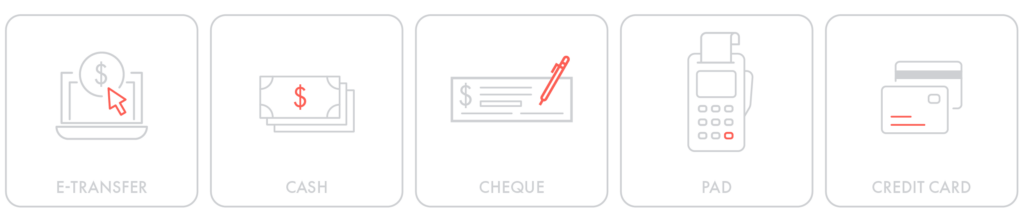
There are several common ways tenants can pay rent, depending on what their landlord accepts:
- Interac e-Transfer: One of the most popular methods in Canada. It’s fast, convenient, and provides a digital record of payment.
- Cash: Some landlords accept cash, but it’s important to always request a receipt for your records.
- Cheque: A traditional option still used by some landlords for recurring rent payments.
- Pre-authorized debit (PAD): Allows landlords to automatically withdraw rent from your bank account on a scheduled date each month.
- Credit card (via third-party platforms): Rent can be paid using a credit card through platforms that process payments on your behalf.
Note: Rental payment rules can vary by province. Always confirm accepted payment methods and terms with your landlord before making payments.
How to pay rent with a credit card
Paying rent with a credit card is becoming an increasingly popular option, especially for renters looking to earn rewards or gain more flexibility in managing their finances.
While most landlords don’t accept credit cards directly. Instead, third-party platforms (such as Chexy and similar services) allow tenants to charge rent to their credit card while the platform transfers funds to the landlord.
Benefits of paying rent with your credit card:
- Earn cashback or reward points on monthly rent payments
- Improve cash flow by leveraging your credit card billing cycle
- Consolidate expenses into one payment method
Some credit cards offer cashback on recurring payments, which can help offset processing fees charged by payment platforms. Fees may apply depending on the platform used.
Did you know?
The Scotiabank Scotia Momentum® Visa Infinite* Card offers up to 4% cashback on eligible recurring payments, which can help offset processing fees when paying rent through third-party platforms. While rent may not always be the primary use, it can be included alongside other monthly expenses, making it a flexible option for managing payments.
How to pay rent using liv.rent
liv.rent allows tenants to securely pay rent directly through the platform using supported digital payment methods.
Accepted payment methods:
- Credit cards (Visa, Mastercard, American Express) via Stripe payment gateway
- UnionPay
Key features:
- Track your payment history in one place
- Simplify payment requests and confirmations
- Complete transactions securely online
How to pay rent by credit card on liv.rent
1) Receive a payment request
Your landlord must first send a payment request through the liv.rent chat to initiate the rent payment process.
2) Review the request
You’ll see the payment request with the amount due, due date, and a Payment Method dropdown.
3) Select your payment method
Choose your preferred payment method from the dropdown and click Continue.
4) Enter card details
Input your credit card information and billing address, then select Continue.
5) Review payment details
A summary will appear, including your card details and any applicable processing fee.
You can click the ⓘ Info icon to view a breakdown of the fee.
6) Confirm and pay
If everything looks correct, agree to the Terms & Conditions and click Pay Now to complete the transaction.
7) Payment confirmation
A confirmation window will appear once the payment is successful. You can download or email a receipt for your records.
8) View payment in chat
The payment status will appear as Payment Sent in your chat conversation with the landlord.
9) Access payment details
To view the full summary, click View details under the Payment Sent message.
When does paying rent by credit card make sense?
Paying rent with a credit card can be a smart option in certain situations:
- You want to earn rewards such as cashback or travel points
- You pay off your credit card balance in full each month
- You need short-term flexibility in managing your cash flow
However, it’s important to consider processing fees and potential interest charges if balances are not paid in full.
Choosing the right way to pay rent comes down to balancing convenience, security, and your financial goals. From simple options like e-Transfer to more flexible methods like credit cards, each approach offers different benefits depending on your needs. No matter which method you choose, it’s important to confirm payment details with your landlord and use trusted, secure platforms to ensure your transactions are safe and trackable. With the right approach, paying rent can be both simple and stress-free.
For additional information on Paying Rent in BC, please refer to the BC Government’s “Paying Rent” page.
Was this helpful? Check out some of our latest posts:
Rent Reports: Vancouver, Toronto and Montreal
Introducing Search by Map
What Information is a Landlord allowed to ask for?
 Rethink The Way You Rent
 Rethink The Way You Rent
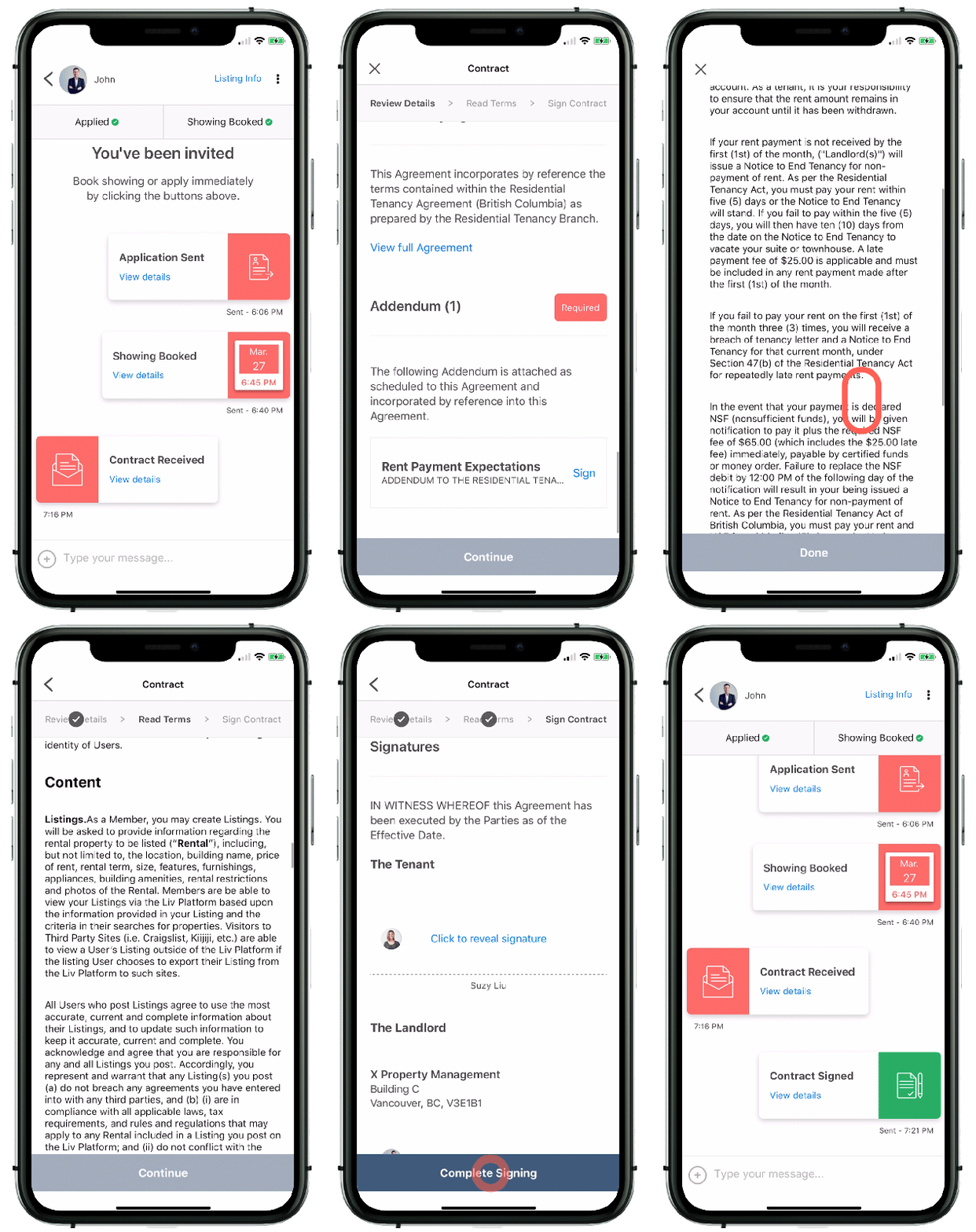
Not on liv.rent yet? Experience the ease of digital applications and contracts, verified tenants and more – all on one platform. Sign up now or download the app to get the full digital rental experience.

0 Comments